
Published October 23, 2012
We clean grills with every kind of grate — stainless steel, porcelain-coated, porcelain-coated cast iron, and plain cast iron. Of all of them, cast iron grates are the ones we most often find heavily rusted, sometimes badly enough that they really should be replaced. Eating off a rusted grate isn't appetizing, and it isn't especially healthy either.
One of the first questions customers ask after we've cleaned their grates is: “How do I keep them looking like this?” Here's what we tell everyone.
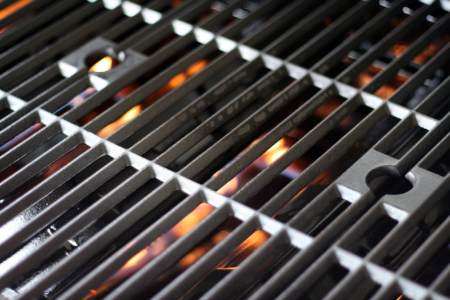
Cleaning removes the layer of seasoning that was built up on your grates — that's the tradeoff for getting them fully clean. Until that seasoning builds back up, food is more likely to stick, and the bare metal is more exposed to moisture. Applying a thin layer of vegetable or olive oil with a paper towel before your next cook re-seasons the surface and helps prevent both problems.
The cooking grate is one of the most important parts of a grill you can actually see and feel. Cast iron is an excellent heat conductor, heats evenly, and with proper care will outlast almost any other grate material. As meat cooks, its fats and oils soak into cast iron's porous surface and harden there, creating a naturally non-stick cooking surface that doesn't need extra oil once it's properly seasoned. The tradeoff is that the same porous surface will rust quickly if it isn't cared for consistently.
Don't do a full burn-off right after you grill — leaving the cooking residue in place actually helps protect the seasoning. Instead, do a quick burn-off just before your next cook, and brush off charred residue with a steel brush rather than a brass one. Keep the burn-off brief; running it too long can strip away seasoning you've already built up.
If rust does appear, it's a sign the grate needs to be re-seasoned. Brush the rust away with a steel brush or sandpaper and repeat the seasoning steps above. The more consistently you use and maintain cast iron grates, the better seasoned — and easier to maintain — they become over time.
Wipe them with a very light coat of vegetable oil or shortening, dry with a lint-free towel, wrap tightly in plastic, and store somewhere dry. Bare, unprotected cast iron sitting through a Colorado winter is exactly how a good set of grates turns into a rusted one by spring.
Bring just your grates to our Northglenn shop and we'll clean them — often the same day.
See Drop Off